As a pool owner, you know the joy of a refreshing dip on a warm day. But what if you could stretch those pool days well into the cooler months? With a well-maintained solar pool heating system and some clever strategies, you can significantly extend your swimming season, making the most of those pleasant autumn and spring days. Let’s dive into how you can optimise your solar pool heating system to enjoy a warmer pool for longer each year.
Understanding the Benefits of Solar Pool Heating in Australia
Solar pool heating is an excellent eco-friendly option for extending your swimming season, particularly during the “shoulder” months of early autumn and late spring. While it may not be effective for year-round pool heating in most Australian climates, it can add several weeks or even a couple of months to your swimming season, depending on your location.
By implementing the strategies we’ll discuss, you can maximise the benefits of your solar pool heating system while being realistic about its capabilities. This approach allows you to enjoy your pool longer without the high energy costs associated with traditional heating methods.
Preparing Your Solar Pool Heating System for Shoulder Seasons
To ensure your solar pool heating system performs at its best during the cooler months, some preparation is necessary:
Essential Maintenance and Inspection
- Check for leaks: Inspect all pipes, connections, and panels for any signs of leakage. Even small leaks can significantly reduce efficiency.
- Clean the panels: Remove any debris, dust, or leaves that may have accumulated on your solar panels. Clean panels absorb more sunlight, increasing heating efficiency.
- Inspect the pipes: Ensure all pipes are properly insulated to prevent heat loss.
For safety reasons, it’s essential to have a professional check your system, especially when it involves climbing onto your roof.
Optimising Your Pool for Extended Swimming
Your pool’s settings play a crucial role in maintaining warmth during cooler weather. Consider the following adjustments:
- Lower the pump speed: If you have a Variable Speed Pool Pump, running your pump at a slower speed for longer periods can be more efficient than short bursts at high speed.
- Adjust the temperature setting: Set your desired temperature a few degrees lower than in summer. This reduces energy consumption while still keeping the pool comfortable.
- Program heating cycles: Schedule your heating to coincide with the sunniest parts of the day to maximise solar energy absorption.
Maximising Solar Panel Performance
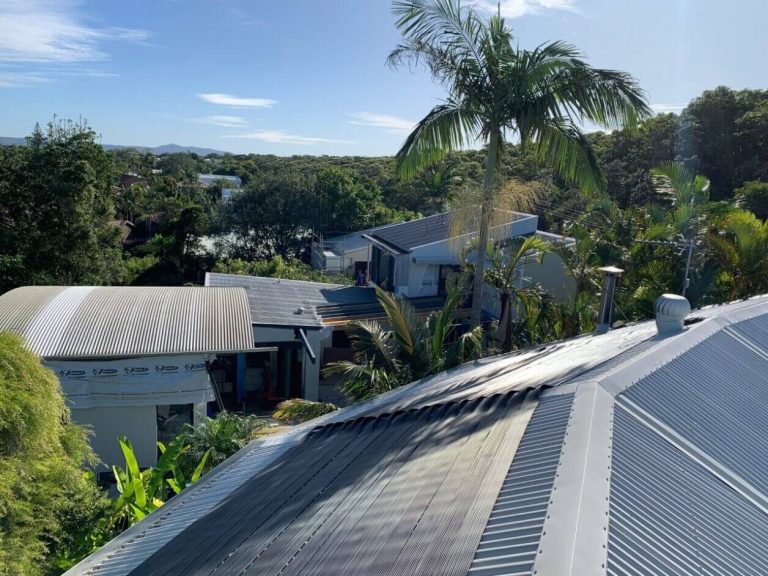
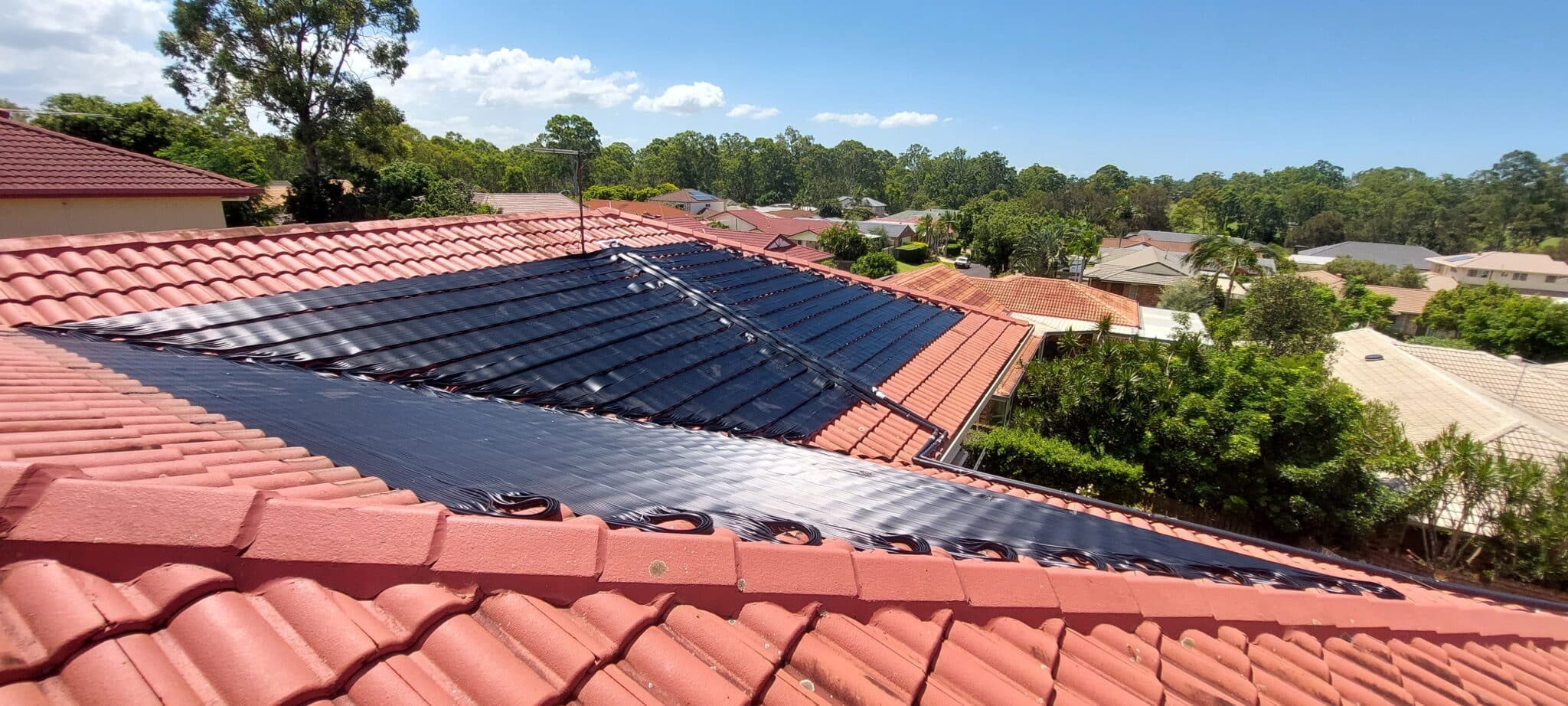
The position and condition of your solar panels can make a significant difference in their performance during cooler months:
- Clear obstructions: Trim any overhanging branches or remove obstacles that may cast shadows on your panels.
- Adjust panel angle: If possible, adjust the tilt of your panels to optimise sun exposure during autumn and spring.
Using Pool Covers Effectively
A pool cover is your secret weapon for retaining heat in cooler months:
- Use a solar cover: These covers not only prevent heat loss but also allow sunlight to penetrate and warm the water.
- Cover your pool at night: This simple step can prevent up to 75% of heat loss during the cooler nighttime hours.
Combining Solar Pool Heating with Other Methods
While solar pool heating is an excellent eco-friendly option, combining it with alternative heating methods can provide the best of both worlds for those particularly cool days:
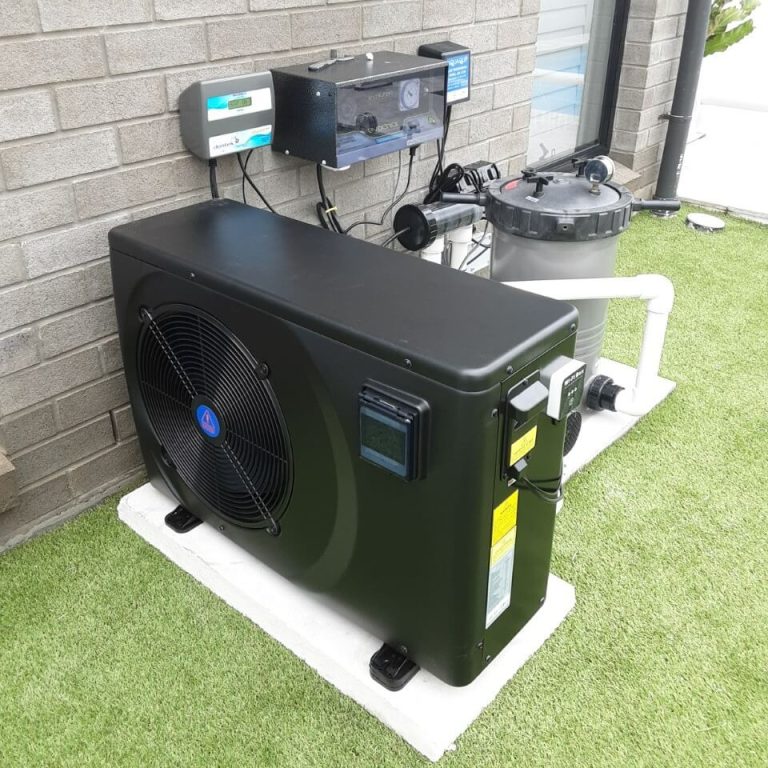
- Heat pumps: These can be more efficient in cooler weather and can work well in tandem with solar heating.
- Gas heaters: For quick temperature boosts on cooler days or for evening swims.
This combination can reduce overall energy costs while maintaining your desired temperature throughout the extended swimming season.
Conclusion
By implementing these strategies, you can significantly extend your swimming season in Australia, making the most of your solar pool heating system during those pleasant autumn and spring months. Remember, while solar pool heating may not be effective year-round in most Australian climates, it’s an excellent way to enjoy your pool for longer without the high energy costs of traditional heating methods.
FAQ
Q: How does solar pool heating work in shoulder seasons?
A: Solar pool heating works by absorbing solar radiation, which is present even on cooler or cloudy days. The system circulates pool water through solar collectors or panels, where it’s warmed by the sun’s energy before returning to the pool.
Q: How can I maximise solar energy collection?
A: To maximise solar energy collection:
- Keep solar collectors and panels clean and free from debris.
- Ensure panels are unobstructed by trimming overhanging branches.
- If possible, adjust the angle of your panels to optimise sun exposure during autumn and spring.
Q: Do I need to use a pool cover with solar heating during cooler months?
A: Yes, using a pool cover with solar heating in cooler months is highly recommended. A solar cover helps retain heat, prevents up to 75% of nighttime heat loss, and allows sunlight to penetrate and warm the water. Remove the cover during peak sunlight hours to maximise solar heating efficiency.