Looking to extend your swimming season beyond those few perfect summer months? A pool heater could be just what you need, but understanding the costs involved before diving in is crucial for any pool owner.
Whether you’ve got an above-ground pool in your Sydney backyard or an in-ground pool on the Gold Coast, this comprehensive guide will walk you through the pricing essentials of pool heating solutions.
Factors Affecting the Cost of Swimming Pool Heaters
When budgeting for a pool heater, several factors come into play that can significantly impact your bottom line. Let’s break them down:
Type of Pool Heaters
The type of heater you choose will be one of the biggest determining factors of of both upfront and ongoing costs:
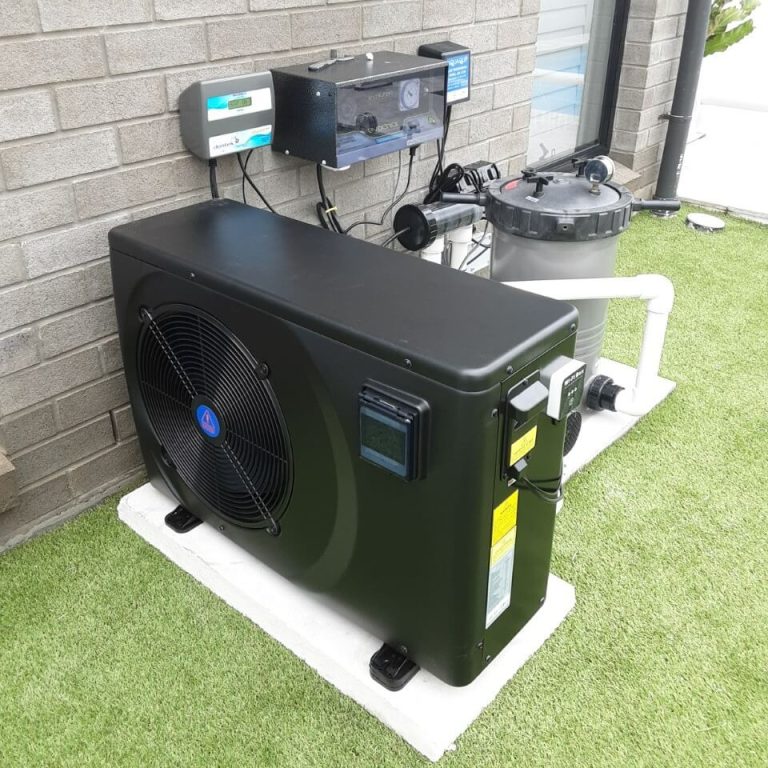
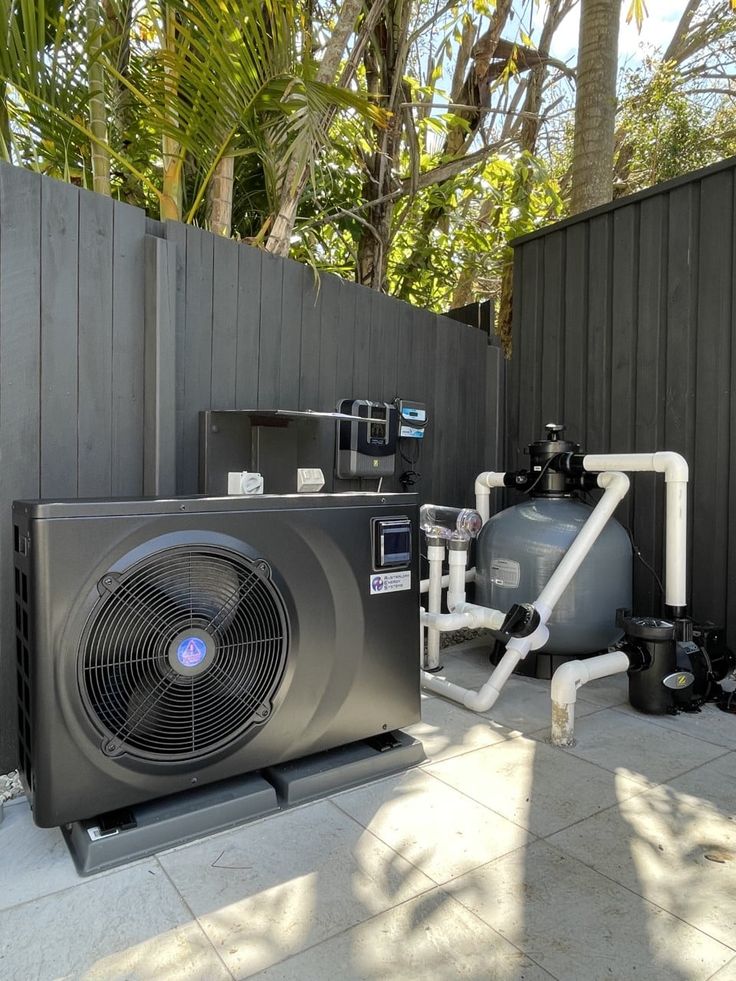
- Electric pool heaters: These typically cost $4,000 to $10,000 and are great for almost all pool heating applications..
- Gas heaters: Ranging from $4,000 to $10,000, these are powerful options for quick heating but do come with higher running costs.
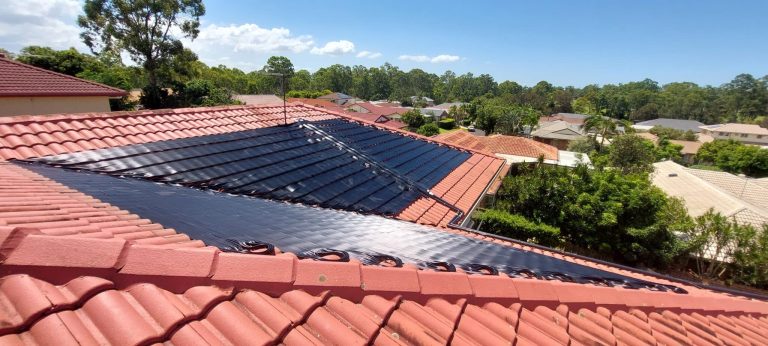
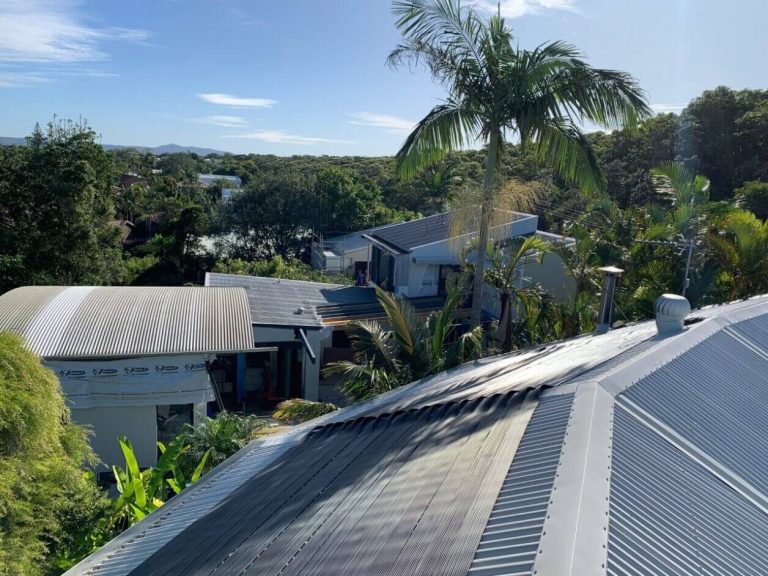
- Solar pool heating: Initial investment usually falls between $3,000 and $8,000, making them more expensive upfront but offering virtually free operation afterward.
Size of Pool
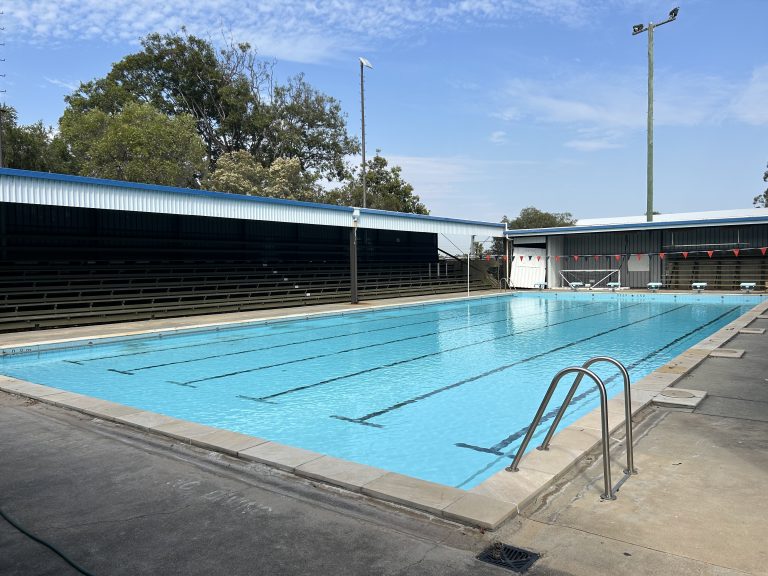
It’s relatively simple maths—the larger your pool, the more powerful electric pool heater you’ll need. According to the Australian Pool Heating Association, you’ll need approximately:
- 17-21 kW for small pools (up to 30,000L)
- 21-29 kW for medium pools (30,000-45,000L)
- 29+ kW for large pools (over 45,000L)
Each step up in heater size can add $500-1,000 to your initial investment, so knowing your pool volume is essential before shopping.
Location and Labour Costs
Where you live in Australia matters:
- Climate zone: A pool in Hobart will have different heating needs than one in Cairns.
- Local labour rates: Installation costs in metro areas like Sydney and Melbourne typically run higher than in regional areas.
- Access considerations: Difficult installation locations can add 15-30% to labour costs.
Ongoing Maintenance
Don’t forget to factor in the long-term running costs:
- Heat pumps: $200-$500 per year for electricity
- Gas heaters: $500-$1,500+ annually for natural gas or propane
- Solar heaters: Minimal operational costs, primarily for running the circulation pump
A common mistake among new pool owners is focusing solely on the upfront purchase price without considering these ongoing expenses.
Comparison Table by Features
| Feature | Electric Pool Heaters | Gas Pool Heaters | Solar Pool Heaters |
| Initial cost | $1,500-$4,000 | $1,500-$5,000 | $3,000-$8,000 |
| Operating cost | Moderate ($50-$150/month) | High ($200-$400/month) | Very low ($0-$20/month) |
| Heating speed | Moderate | Very fast (1-3°C per hour) | Slow (dependent on conditions) |
| Energy efficiency | Very Good (~COP 8.0) | Low (70-85% efficient) | Very high (free energy after installation) |
| Maintenance | Minimal ($100-$200/year) | Moderate ($200-$400/year) | Low ($50-$150/year) |
| Environmental impact | Moderate carbon footprint | High carbon footprint | Minimal carbon footprint |
| Pros and Cons | Pros: Easy installation, works in any weather<br>Cons: High operating costs, slower heating | Pros: Fastest heating, works in any weather<br>Cons: Highest running costs, shorter lifespan | Pros: Almost free to run, environmentally friendly<br>Cons: Weather-dependent, slower heating |
Additional Costs and Considerations
Installation
The installation process adds another layer of expense:
- Professional installation typically costs between $500 and $2,500, depending on complexity
- Gas heaters may require additional gas line installation ($500-$1,500)
- Electrical heaters might need upgraded electrical service ($300-$1,000)
- Solar heaters require roof mounting and plumbing ($1,000-$2,500)
According to Pool Heating Australia, installation generally adds 15-25% to the total project cost. While some handy homeowners might be tempted to DIY, professional installation ensures safety and often preserves warranty coverage.
Maintenance Costs
Regular maintenance keeps your system running efficiently:
- Heat pumps: Annual service check ($150-$250)
- Gas heaters: Annual burner cleaning and inspection ($200-$300)
- Solar heaters: Panel cleaning and inspection ($100-$200)
“Neglecting regular maintenance is a false economy,” notes John Davies from the Australian Swimming Pool Association. “A properly maintained heater will last years longer and operate much more efficiently.”
Lifespan
Consider how long each system typically lasts:
- Heat pumps: 10-15 years
- Gas heaters: 5-10 years
- Solar heaters: 15-20+ years
When calculating the true cost of ownership, divide the purchase and installation price by the expected years of service to get your annual capital expense.
Environmental Impact
For environmentally conscious Aussies, the ecological footprint matters:
- Gas heaters produce approximately 2.5kg of CO2 per hour of operation
- Electric resistance heaters depend on your electricity source (coal power = high emissions)
- Heat pumps produce roughly 1/4 the emissions of gas heaters
- Solar heaters produce virtually no operational emissions
Seasonal Variation
Your heating needs will likely change throughout the year, affecting operating costs:
- Summer: Minimal heating usually required (0-2 months of use)
- Spring/Autumn: Moderate heating needs (2-4 months)
- Winter: Maximum heating required (may be cost-prohibitive with certain systems)
Many pool owners in southern states find it more economical to close their pools during winter rather than heating them continuously.
How to Save Money on a Swimming Pool Heater
Optimizing Pool Temperature
Small temperature adjustments can lead to big savings:
- Reducing your target temperature by just 1-2°C can cut heating costs by 10-15%
- Using a pool cover can reduce heating costs by up to 50% by preventing heat loss
- Setting a timer to heat the pool only during planned usage periods
“Most swimmers find 27-28°C perfectly comfortable,” explains Sarah Thompson, energy efficiency consultant. “Each degree higher than that exponentially increases your energy costs.”
Leveraging Solar Power
Even without a dedicated solar heating system, you can reduce costs:
- Solar pool covers (from $200) trap the sun’s heat and minimize evaporation
- Solar-powered pool pumps ($800-$1,500) can complement your heating system
- Setting your filter pump to run during daylight hours maximizes natural warming
For those with existing solar panels, timing your heat pump operation during peak solar production can effectively give you “free” heating.
Enhancing Pump Efficiency
Your circulation system plays a key role in heating efficiency:
- Upgrading to a variable-speed pump can reduce energy usage by up to 80%
- Proper hydraulic design minimizes resistance and improves efficiency
- Regular cleaning of filters, skimmers, and pump baskets ensures optimal flow
“The pump is the heart of your pool system,” notes Michael Chen of AES Pool Heating Solutions. “An efficient pump means your heater doesn’t have to work as hard to maintain temperature.”
FAQs
Which pool heater is the best choice for my pool?
The best choice depends on your specific situation:
- For year-round swimming in cooler climates: Gas heaters provide the most reliable performance
- For cost-efficient seasonal extension: Heat pumps offer the best balance of upfront and operating costs
- For lowest long-term costs: Solar heating wins hands-down in sunny locations
- For small pools or spas used occasionally: Electric resistance heaters may be suitable
Consider your usage patterns, local climate, and budget priorities when making your selection.
Is maintenance required for pool heaters?
Yes, all pool heaters require some maintenance.
- Gas heaters need annual safety checks and cleaning to prevent carbon monoxide risks
- Heat pumps require evaporator cleaning and refrigerant checks
- Solar systems need panel cleaning and occasional inspection
Skipping maintenance not only shortens equipment life but can also create safety hazards and void warranties. Most manufacturers recommend professional servicing at least annually.
Can I install a pool heater myself?
While DIY installation is technically possible for some systems, it’s generally not recommended:
- Gas heaters involve gas connections that are regulated by law and require licensed professionals
- Electric heaters involve high-voltage wiring that carries safety risks
- Heat pumps contain refrigerants that require certified handling
- Solar systems involve roof work with inherent fall hazards
Professional installation typically includes system optimization, proper sizing, and warranty registration. Most pool owners find the peace of mind well worth the additional cost.
Conclusion
Investing in a pool heater can transform your swimming experience, extending your season by months and making every dip more enjoyable. While costs vary significantly based on the type of heater, pool size, and location, understanding the full picture of both initial and ongoing expenses helps you make an informed decision.
For most Australian pool owners, a heat pump offers the best balance of performance and cost, particularly when paired with a good pool cover. Solar heating provides the lowest running costs but requires patience and consistent sunshine, while gas heaters remain the go-to for quick, powerful heating regardless of weather conditions.
Remember that proper installation and regular maintenance are not areas to cut corners—they ensure safety, efficiency, and equipment longevity. By implementing the money-saving strategies outlined above, you can enjoy a warm pool without breaking the bank on energy costs.
Ready to take the plunge into heated swimming? Contact a local pool heating specialist for a customised assessment of your specific needs and options.